University Projects

A collection of UX, UI, Visual & other creative projects during my time studying Digital Media Design at the University of Limerick.
Overview
Studying Digital Media Design at the University of Limerick has equipped me with the right combination of tools, processes, and experiences to successfully transition into my career as a designer.

Throughout my degree, I studied design and human-computer interaction fundamentals that provided the skills and knowledge required for a career in large-scale digital product design.
My Contributions
Below are a sample of my University projects. Some completed as group assignments and some individual.
Poster of Final Year Project, including a persona and some screens
Will a human-centred design approach offer a solution to elevate pressure on Irish Healthcare services? This study analyzes and identifies what is causing a strain on Irish Healthcare services and how experts can easily adapt new products or technology into the medical domain. The design process selected uses the  participatory method, focusing on the end-user and offers great opportunities to uncover problem areas and suggest potential solutions. As the seriousness of the COVID-19 became apparent in March 2020, the response of the Irish Healthcare system resulted in staff and resources being diverted from existing services and allocated to fight against the virus. A high proportion of deaths occurred as patients received insufficient care and attention during the early days of the pandemic (Kennelly et al., 2020). Many services have struggled to manage and provide continued high-quality care and support to their patients, with constant pressure felt by  staff. This study aims to determine how such pressure can be relieved in order to optimise Healthcare Services in Ireland. 

The definition of Healthcare Services is broad, and for this study, particular attention is being paid to the pharmaceutical environment and what role the pharmacist takes in our medical needs. Is there an opportunity or gap in service needs that can be optimised to provide pharmacy services differently?Potentially through the means of design, the service they provide can be made more efficient and cost effective. By completing interviews and observations, the aim is to investigate this area and gain a better understanding of the types of pharmacy users and their interactions with pharmacies. The aim is  to support the user in completing tasks and to support the business in achieving their targets. By inviting users and stakeholders to a  co-design workshop, this will enable them to contribute to conceptual designs and give their valuable insights and feedback. A low-fidelity solution will be created as a pilot in early prototyping sessions, with changes being made before testing a high-fidelity prototype.
 
The research carried out raises serious questions about the stability of Irish Healthcare and it’s services, especially as the pandemic worsens. A human-centred design approach will integrate a combination of perspectives; those whose activities will be affected by a design outcome and those who can offer expert opinion regarding the activity the design will support. The goal of this research would be to achieve a solution that supports Irish Healthcare Services on a nation-wide level of emergency should a medical threat of this calibre arise in the future.

Click this link to view my final report
Click this link to view my mobile prototype
Click this link to view the desktop prototype

Final Year Project
Design
Sep 2020 —  April 2021
Image of plants growing
Critical Design challenges preconceptions and assumptions, making us think. Throughout this module, we created critical artefacts to formulate questions to understand our users behaviours. We created a provocative and conceptual video that would provoke debate and stimulate user-centred innovation during a collaborative workshop. 

The video promotes a new initiative being introduced by the University of Limerick to enforce environment improvements by the student body. The information in the video justifies the University’s plan to take action with some distressing images of waste and statistics of pollution. Along with the new service fee, the information in our critical artefact triggered reactions from our users and drove momentum for creative solutions throughout the duration of the workshop.

Click link to view Critical Artefact
Applied Interaction Design
UX Design
Jan 2020 — May 2020
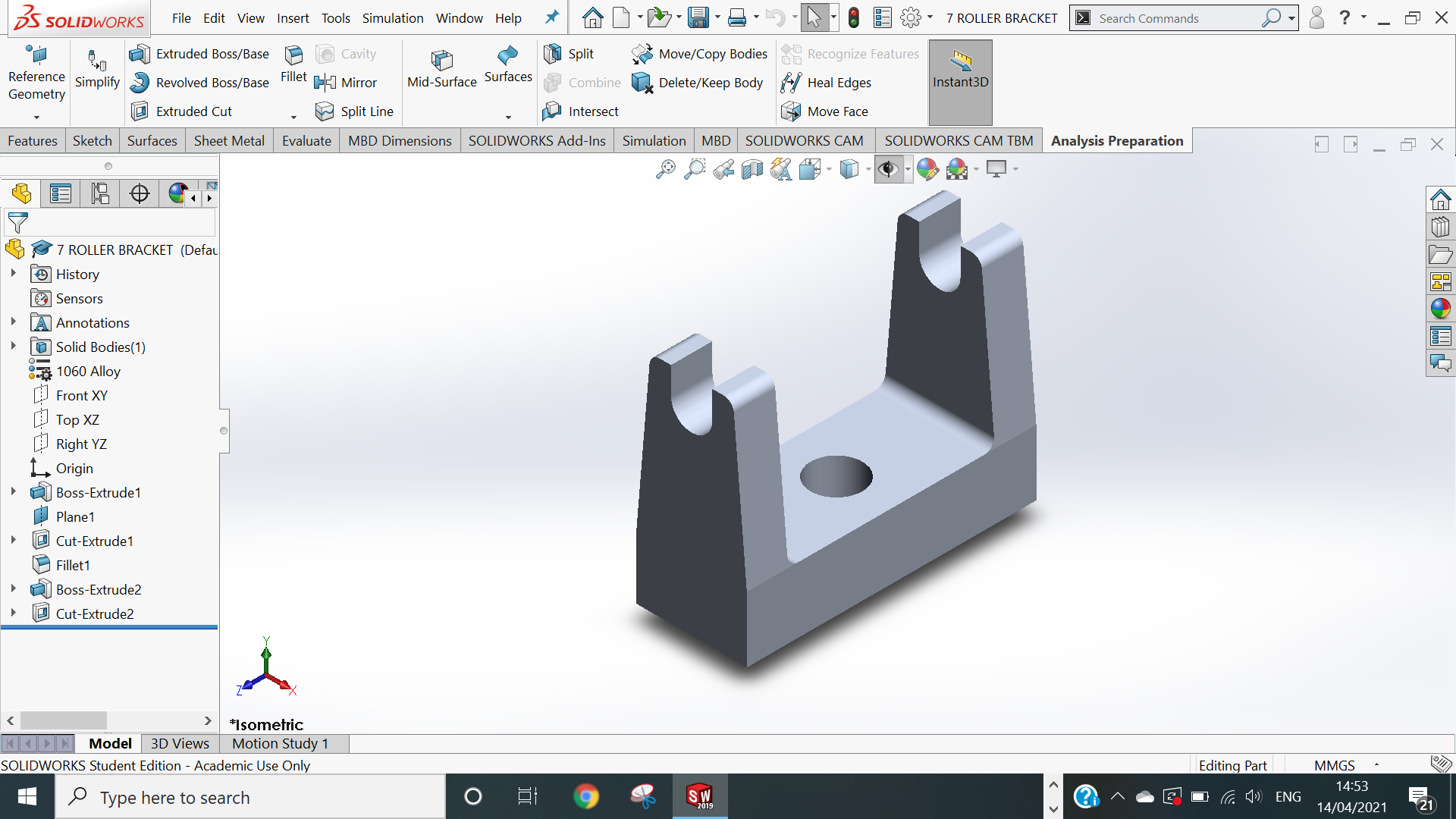
Screenshot of model from Solidworks
Solidworks is a widely recognised and an easy to use parametric design tool that allows you to visualise your design in real time while creating sophisticated photo realistic renderings and animations. Throughout this module, we built designs from simple geometric shapes to complete industry machines, testing our skills and knowledge on assembly modelling, moulds, surface modelling and more. 

Solid Works
3D Modelling
Jan 2020 — May 2020
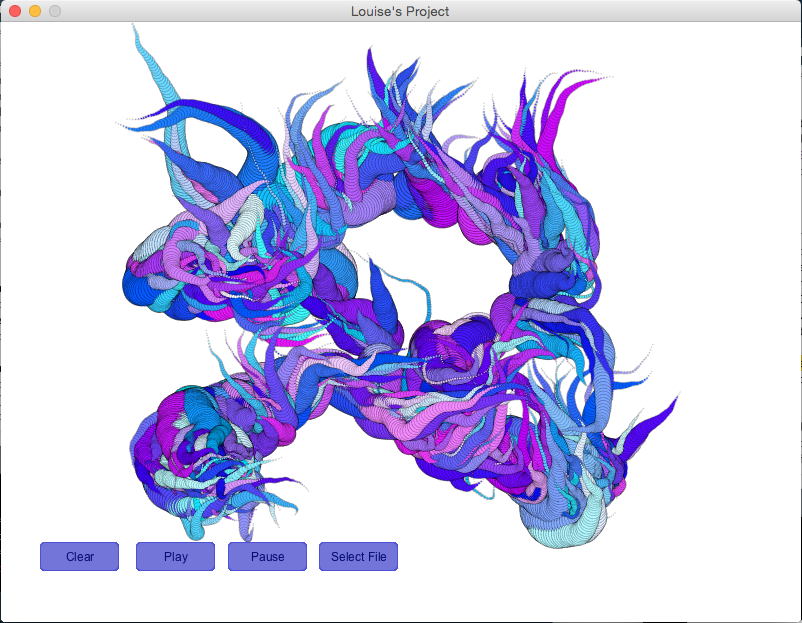
Screenshot from application running visual effects
Some of the most creative minds are enthralled with being able to visually represent the audible. From music videos to sculptures, what we hear is more and more often shown to us optically. It’s not just art that allows sound visualisation, but the surfacing of new technologies that show us what sound really looks like. For example, SoundViz is a software that analyses the data behind noise and finds ways to measure the different qualities of the audio and then assigning a visual component to them. 

For this module, I wanted to understand and capture how I visualise sound. Sound and music is subjective. I wanted to create a visual format, with a clean geometric graphic influenced by my personal music tastes. The graphic I have created is influenced by an electronic music video by a DJ duo called Bicep. This music video experience was designed by Studio Degrau. I wanted to create something similar that the user could control using the mouse.
Interactive Multimedia
Visual Design
Jan 2020 — May 2020
Cover poster for project investigating Slack as a collaborative tool
Computer Supported Cooperative Work addresses how different technologies facilitate, impair or simply change collaborative activities. Collaboration in the workplace is vital and can involve as few as individuals to a whole team, even across different organisations. It’s common for teams to work remotely or co-locate across the globe, relying heavily on tools and communities. Computer Supported Cooperative Work looks at how different technologies and software simply collaborative activities in the workplace.

Over the course of this module, I invested the collaboration tool Slack, that is popular for communication in the workplace.
Computer Supported
Co-operative Work
Research & Design
Jan 2020 — May 2020
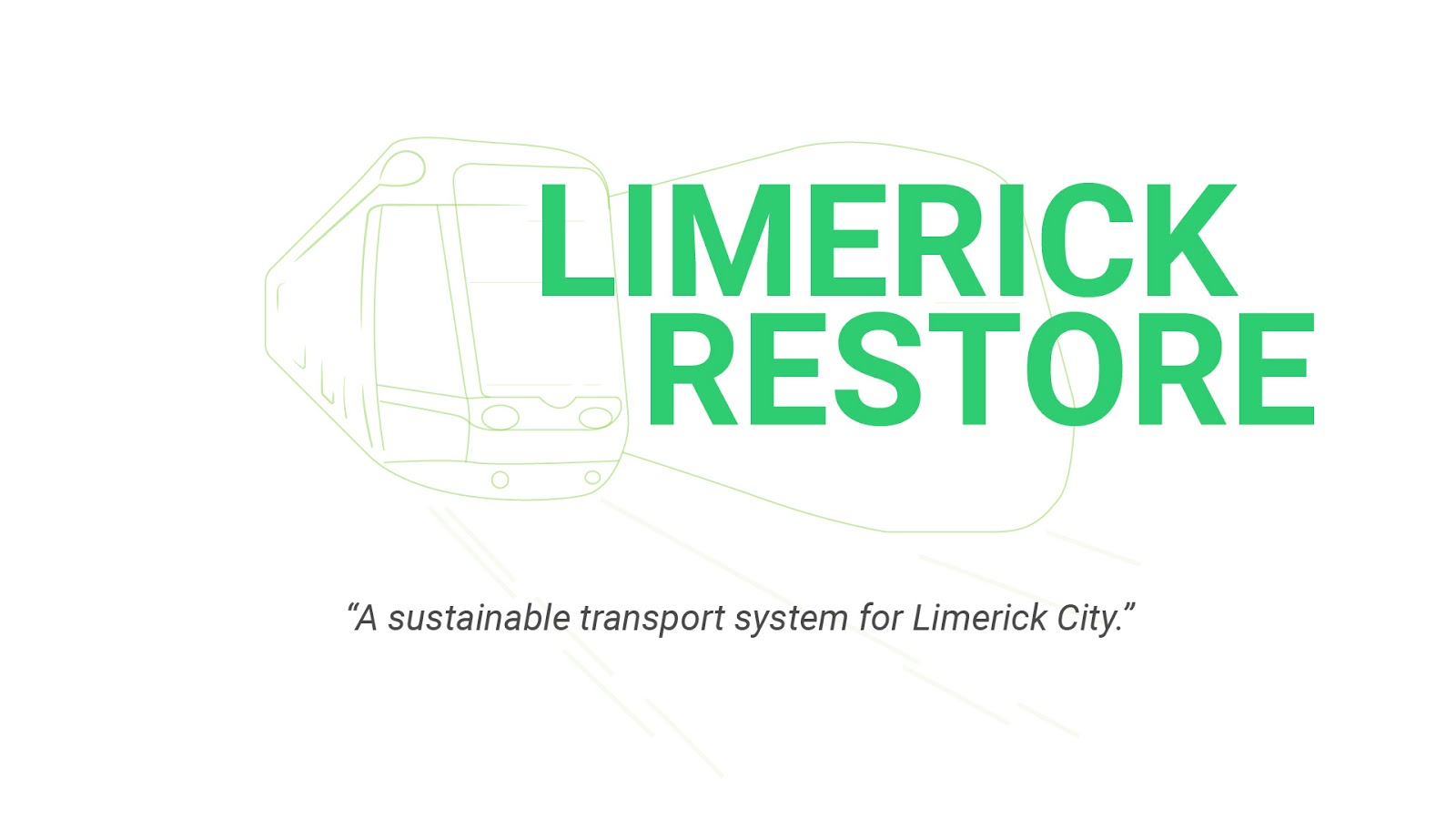
Cover Poster for Project Management Plan including an illustration of the trackless tram
Proposing a Trackless Tram system to Limerick City, I developed the project management plan that would implement a new and innovative form of urban transit to the growing population. 

The current operating bus routes are not able for the growing demand of people and are slowed down by heavy rush hour traffic. Limerick 2030 is a plan commencing construction of the new Opera Centre which is estimated to bring an additional 4,000 workers into the city. Limerick will be hosting the Ryder Cup in 2026 which will also see an increase of numbers in the city.

The trackless tram can operate with minimal intervention, replacing the existing fleet of buses rectifying a highly congested route that connects Limerick City with its suburbs. Throughout this project, I investigated the market, budget, potential funding and schedule associated with implementing a tram system of this calibre.

Project Management
Research & Management
Jan 2020 — May 2020
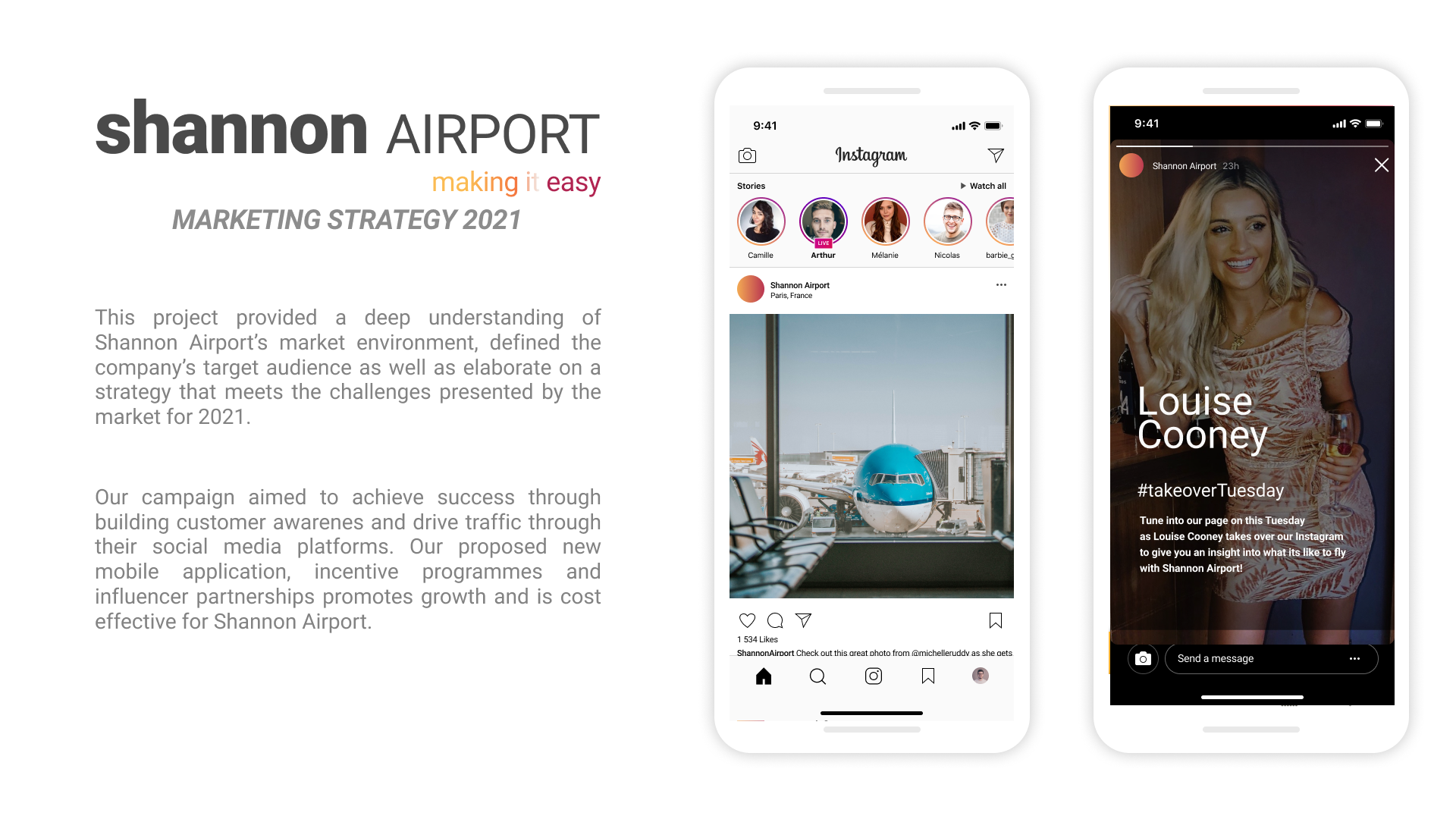
Poster for the Shannon Airport Marketing Campaign
Digital Marketing platforms have changed how businesses connect and communicate with customers. The technology now available to consumers has radically altered their consumption patterns. These new behaviour patterns have created significant challenges and opportunities for markers. This module gave a background to the rapidly changing marketing practice within the content of digital marketing and online social networks. 

The assessment for this module was project-based providing students with the practical experience in conducting their own marketing pitch. We developed a creative and digital media strategy for Shannon Airport Group specifically building awareness of the one stop connectivity through Shannon Airport.
Marketing
Research & Design
Sep 2020 — Dec 2020
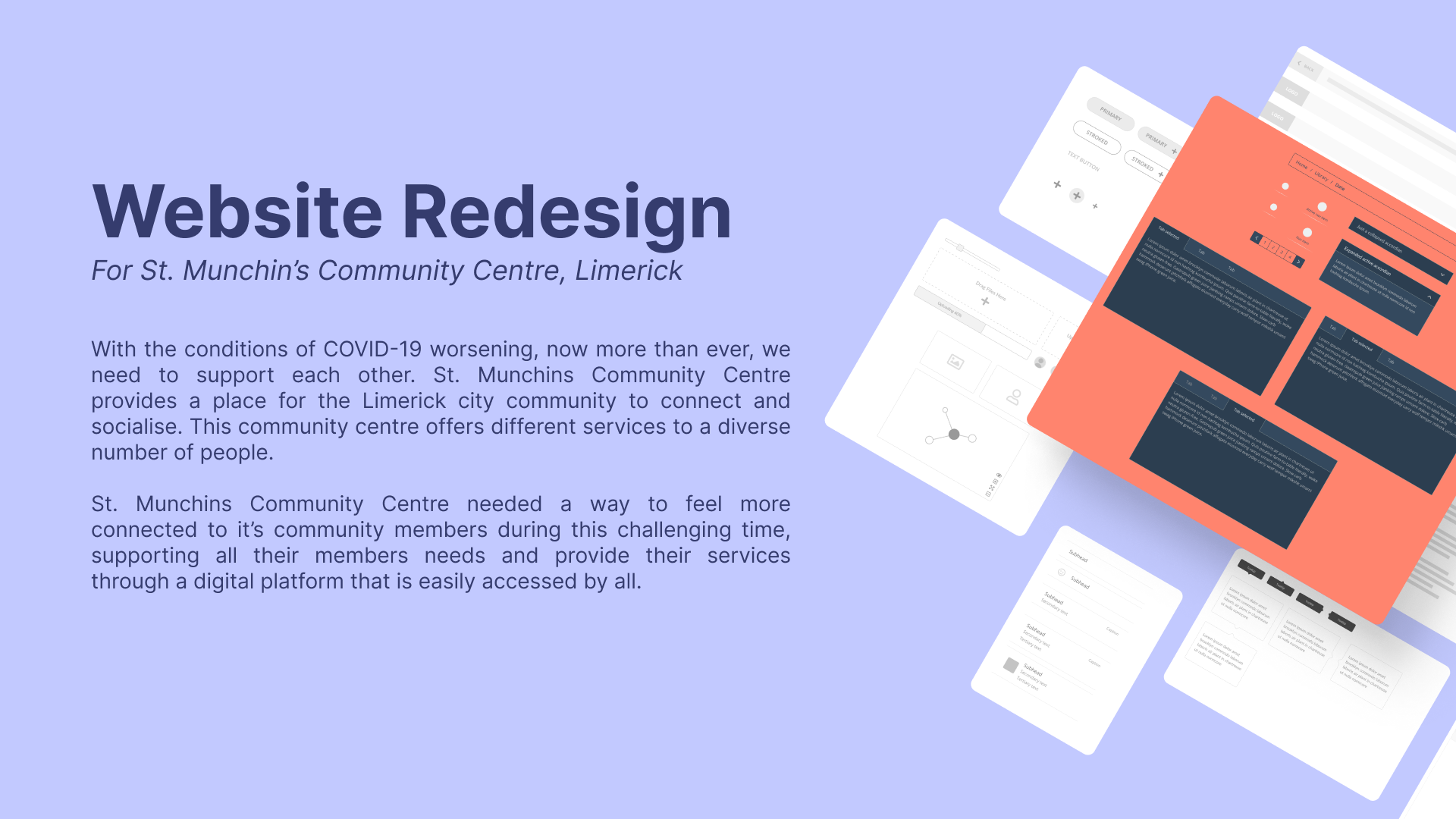
Poster for St. Munchins Community Centre's website redesign
This module looked at finding the right balance between making UX Design useful for the business as well as the end user by redesigning a local Community Centre's website. Community Centres act as hubs for social services. St. Munchin’s Community Centre has been active at making sure those in need are fed, kept safe and are practising social distancing ‒ and during these extraordinary times, we need a sense of community now more than ever. The centre currently has social media accounts and a website, but needs some updates to their digital platforms for people to seek out information and stay connected during this challenging time.

We formulated hypotheses and conducted valuable user research following various research methods that contributed to the qualitative and quantitative data collected; especially through in depth-interviews, creating personas and scenarios. We conducted a number of activities that analysed our gathered data into deliverables like site flows, vision documents, and basic wireframes. These deliverables explore the anatomy of our site redesign and will influence decisions as we move into the design phase of this project. As we began to explore solutions through co-design and user testing, we reflected on our findings to ensure our users' needs are at the core of our designs.
Quantitative Methods for Sociological Research
Research & Design
Jan 2021 — April 2021
Photo of Daniel Comiskey and I performing our interactive prototype in the CSIS Building in UL
Tasked with generating a design that experiments with digital musical instruments, throughout this module, we designed, developed and performed with our electronic system. Through means of research, we explored human interaction in both a musical context and where interaction with computers is routine to lay down the foundations of our initial idea.  Throughout our ideation phase, by prototyping and refining designs, we demonstrated our ability to use Electronics, Arduino and Sensors to control sound in real-time for our final performance of the system.
Performance Technology
Design & Performance
Jan 2019 — May 2019